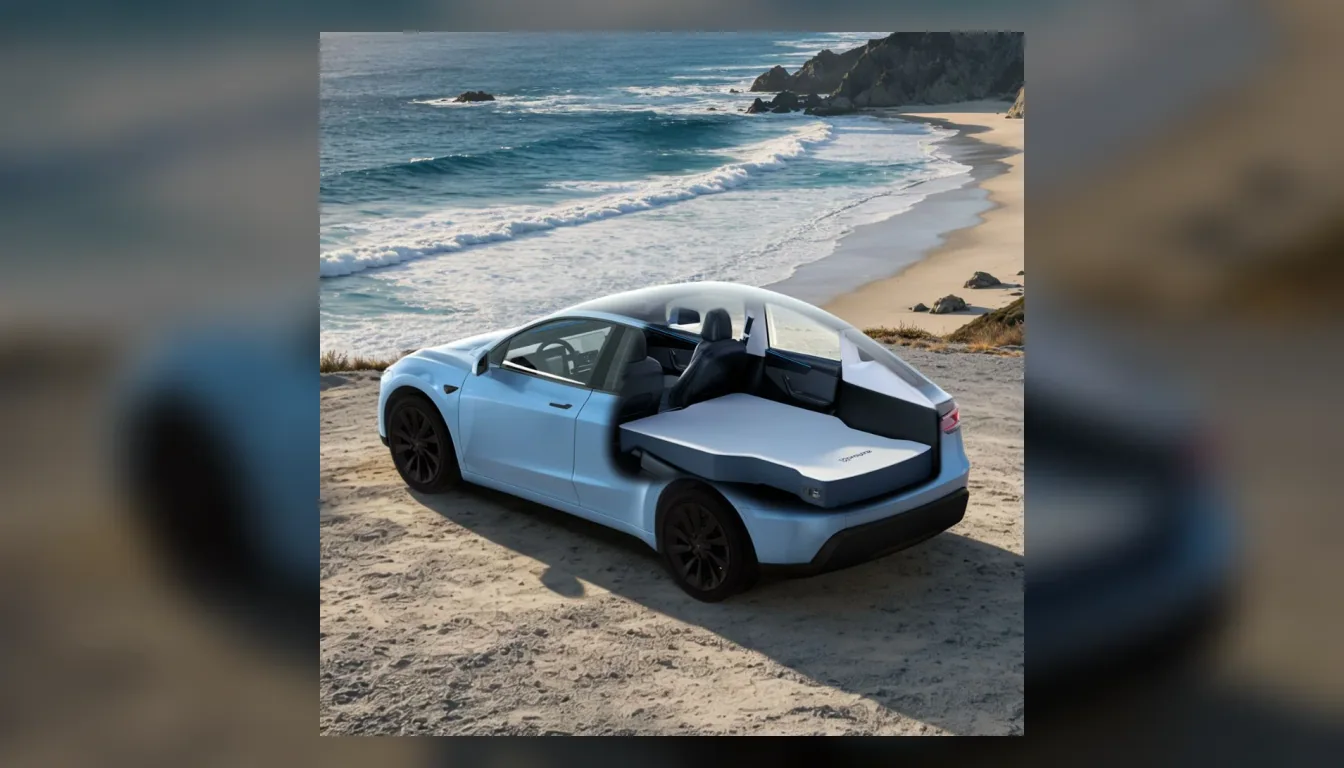
Different jobs
| Gear | Primary job | Does not guarantee |
|---|---|---|
| Tesla mattress or pad | Cushioning, support and sometimes leveling | A tested temperature rating |
| Sleeping bag or quilt | Insulation around the body | Pressure relief from hard seat seams |
A sleeping bag's insulation compresses beneath body weight, so a ground or seat pad often contributes important underside insulation and comfort. A mattress, meanwhile, should not be assumed warm unless it has a comparable tested R-value. We found no basis for universal claims that pain begins after a fixed time or that one temperature range works for everyone.
How to choose
For a short nap in mild conditions, existing bedding may be enough. For an overnight stay, choose cushioning suited to your body and bedding rated for the forecast, with a backup plan if vehicle climate stops. Winter users should read the cold-weather safety answer; new campers can use the first-night checklist.
Plan the whole Tesla sleep setup
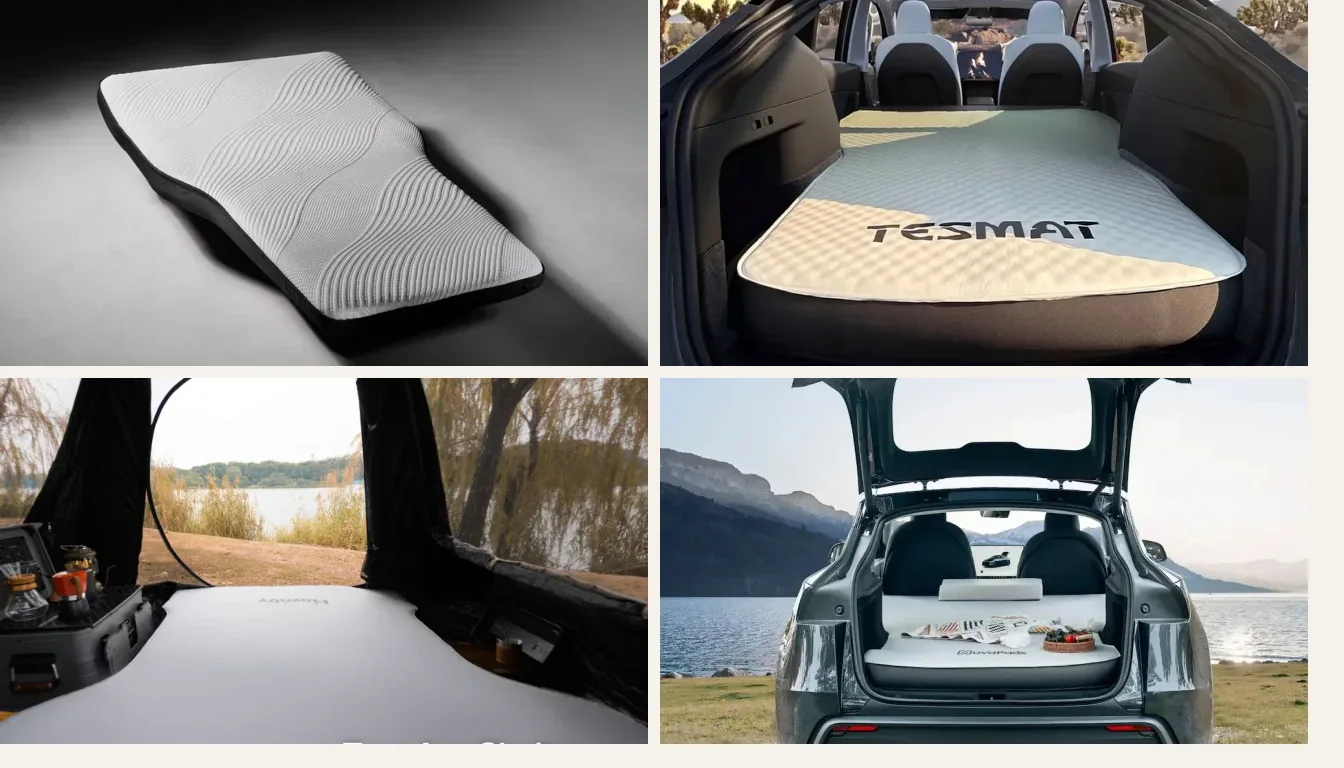
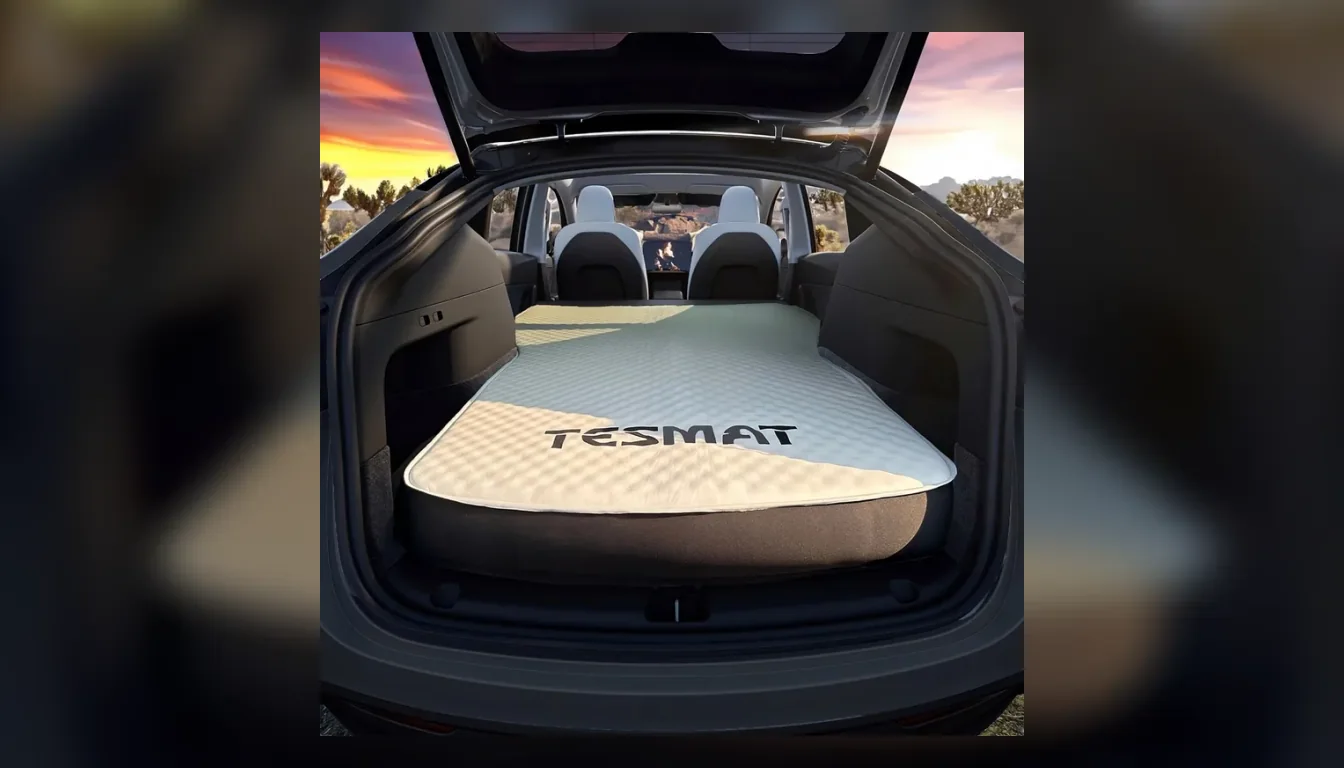
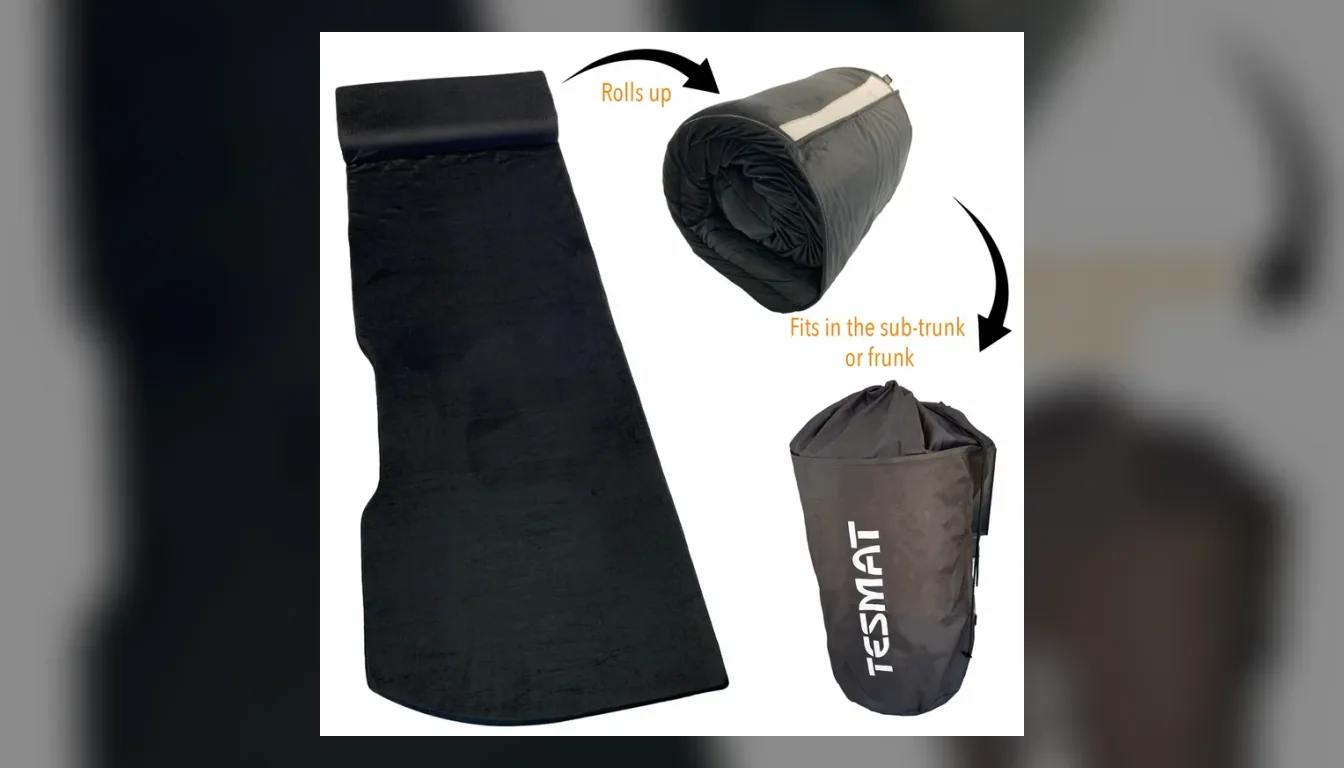
Compare the products we currently track
Check exact fit, observed price, pump type, warranty and the evidence limits before you buy.