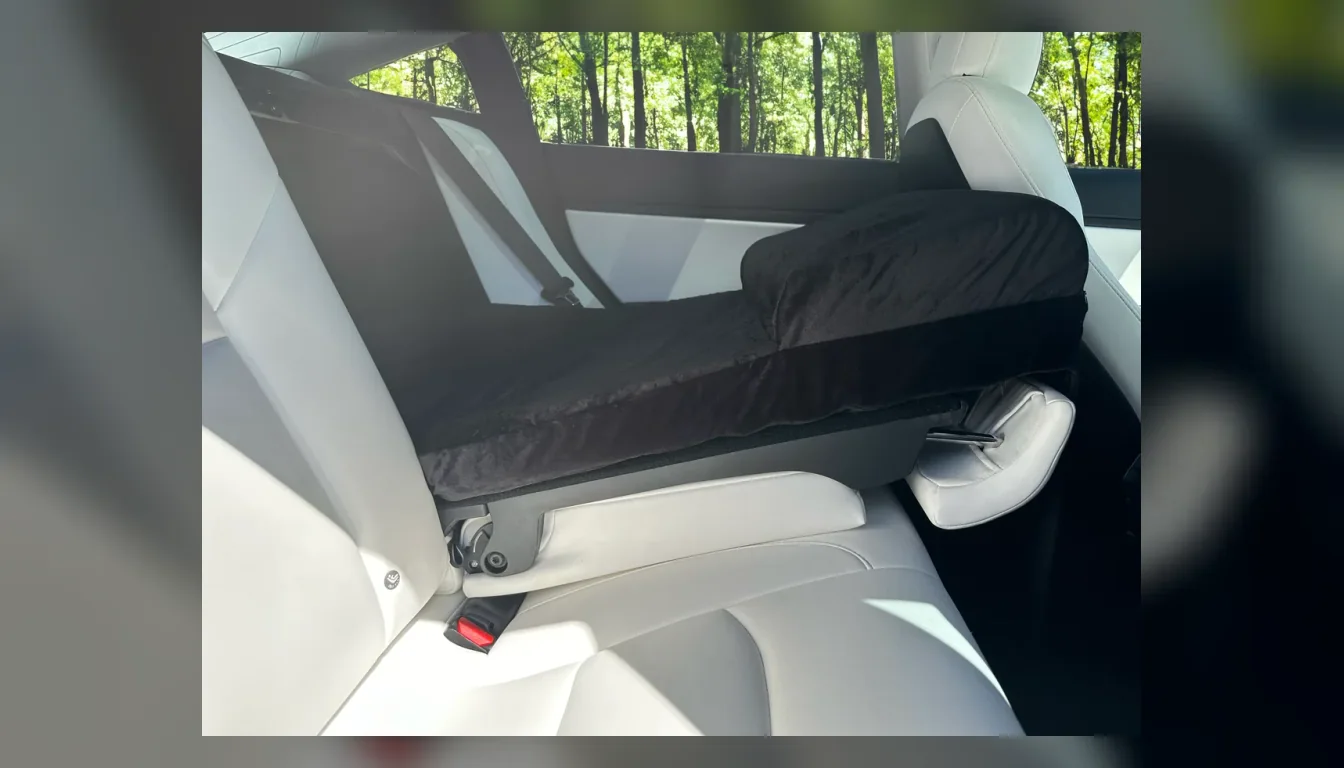
Verified current figures
| Mattress | Published weight | Packed information |
|---|---|---|
| Havnby FlatCore | 5.08 kg | 67 × 43 cm |
| Snuuzu Model Y | 10.6 kg | 74 × 32 cm |
| NovaPads Air-Foam Pro | Not verified on the current page checked | Advertised for frunk or sub-trunk storage |
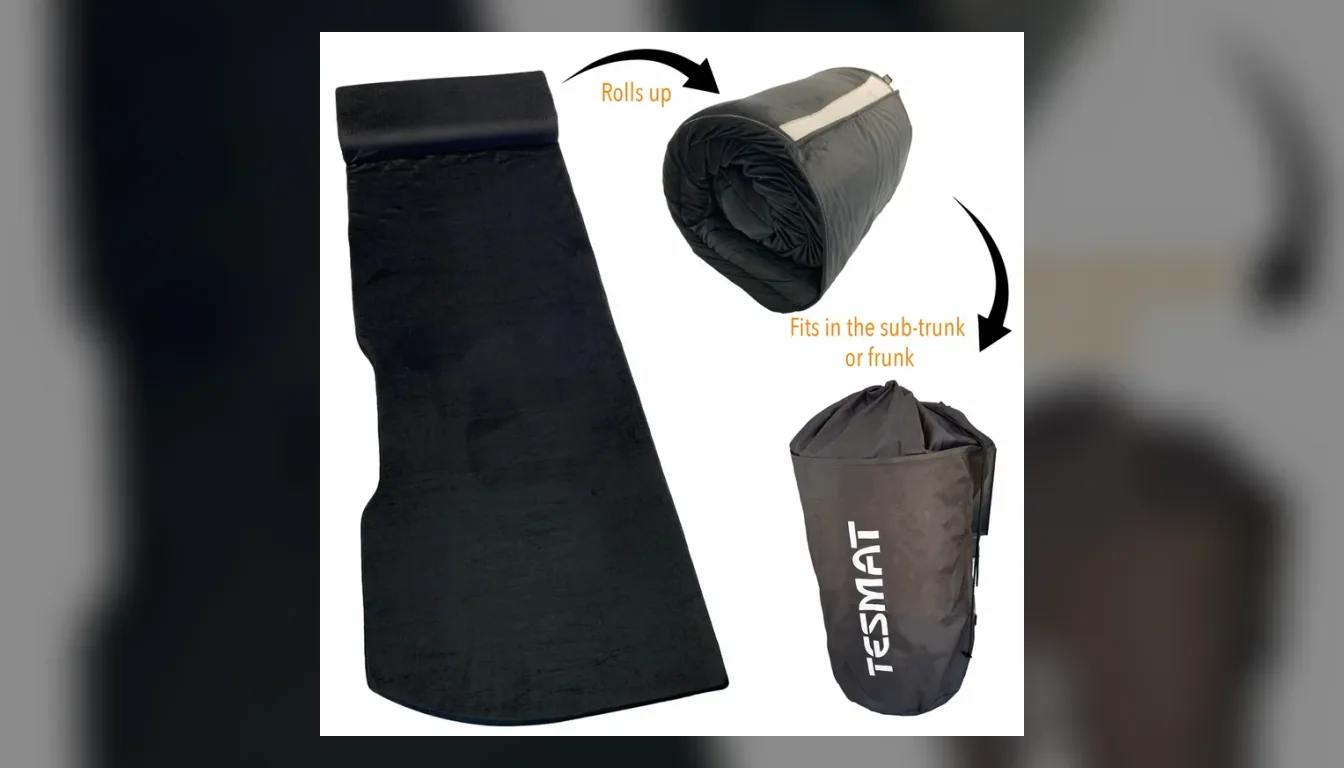
| TESMAT Solo | Not verified on the current page checked | Carry case included |
Weight and packed volume answer different questions. A light foam pad can still be bulky, while a heavier hybrid can compress. Also check whether pump, sheet and bag are included in the quoted weight. Until every seller publishes comparable figures, the honest conclusion is that Havnby is the lightest verified full-width figure in this subset, not necessarily the lightest product on the market.
Compare the weight of the complete sleep kit
A mattress weight may exclude the pump, sheet, pillows, repair kit or storage bag. Add every item you plan to carry, then compare that total with how far the bag must be lifted and whether it fits the sub-trunk. Packed dimensions can matter more than one or two kilograms if the bag blocks daily luggage access.
When lighter is actually better
- You remove the mattress after every trip.
- You have limited lifting capacity or carry it up stairs.
- You camp alone and do not need a full-width surface.
- You want the sub-trunk free for charging cables or emergency gear.
A lighter product is not automatically more compact, durable or comfortable. The honest comparison is the lightest product with a verified figure that also meets the required fit and construction—not an unverified market-wide winner.
Plan the whole Tesla sleep setup
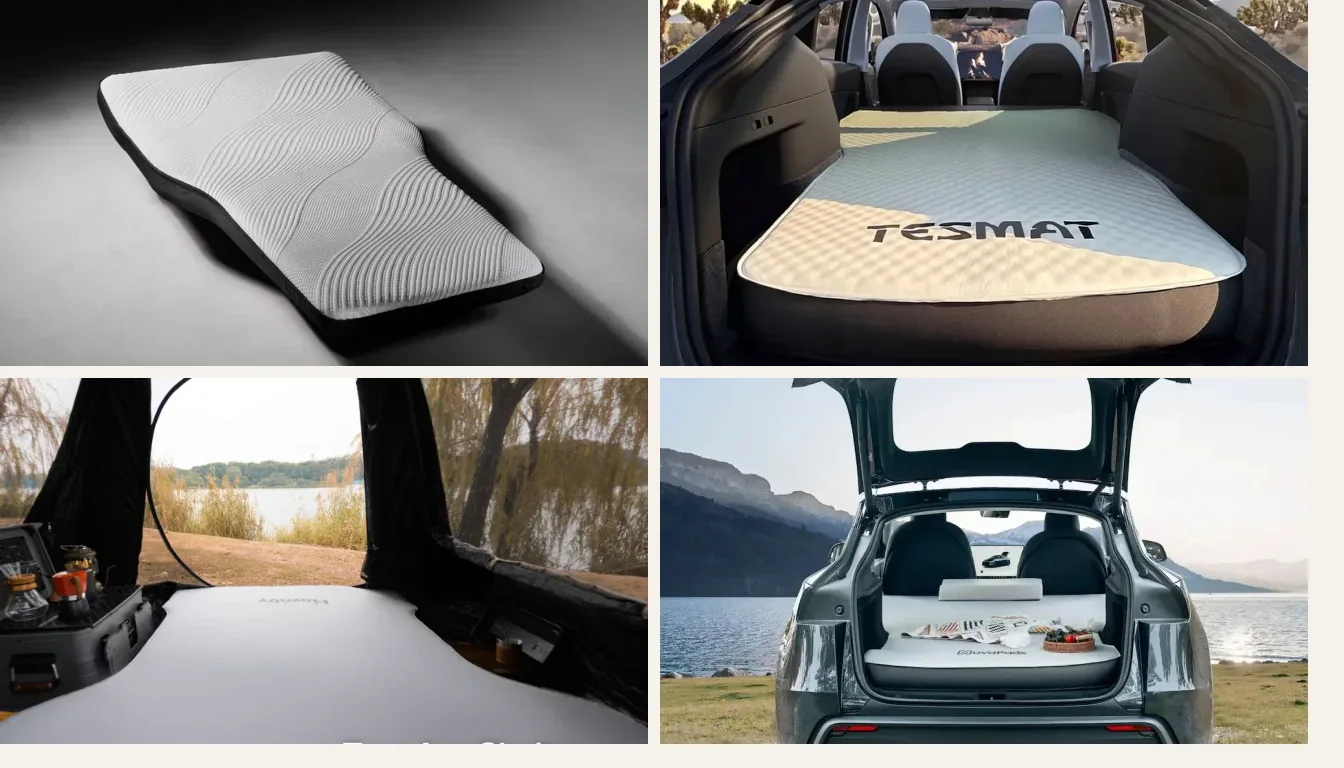
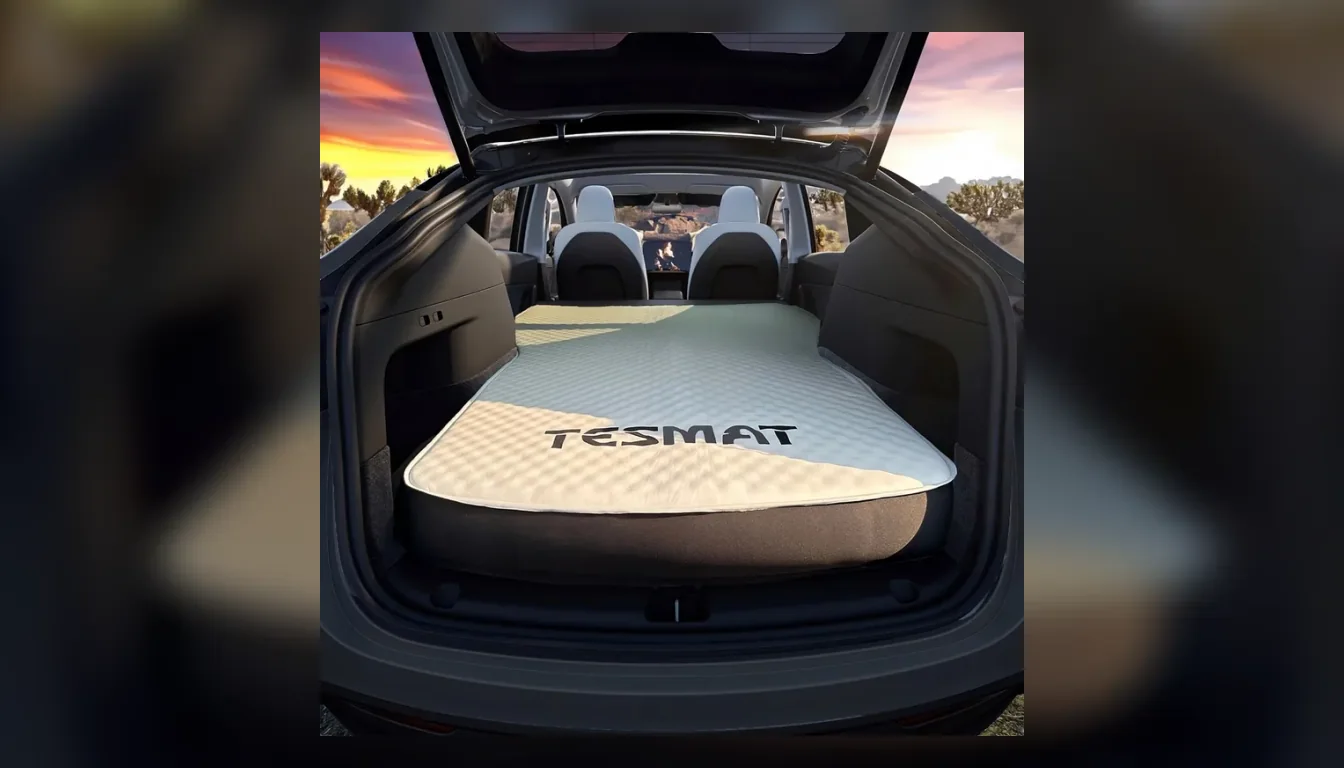
Compare the products we currently track
Check exact fit, observed price, pump type, warranty and the evidence limits before you buy.