Vehicle type does not override local rules
Sleeping in an electric car is still overnight vehicle occupancy. A location can prohibit camping, overnight parking or sleeping in vehicles even when ordinary parking is allowed. Store policies and internet lists are not permission.
How to verify a site
- Identify who manages the land or parking area.
- Read the current posted rules and reservation conditions.
- Check city or county restrictions where relevant.
- Ask the operator when wording is unclear and retain the confirmation.
- Follow quiet hours, stay limits, food-storage rules and leave-no-trace requirements.
The U.S. National Park Service describes frontcountry car camping as use of established campsites, but individual parks impose their own rules. For example, some parks explicitly prohibit sleeping in vehicles outside designated campgrounds. Start with the NPS frontcountry-camping guidance and the exact park's regulations. For public land, use the responsible agency's current page, such as the Bureau of Land Management camping guidance.
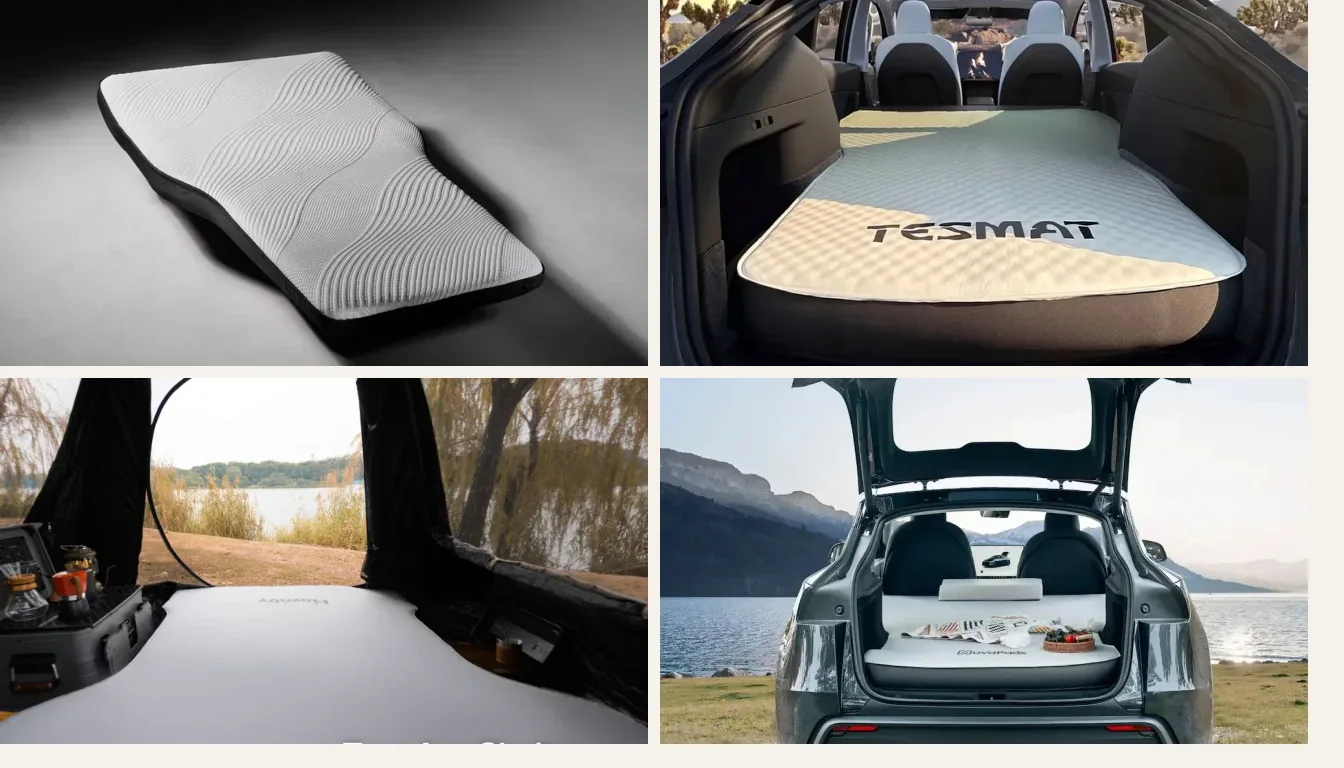
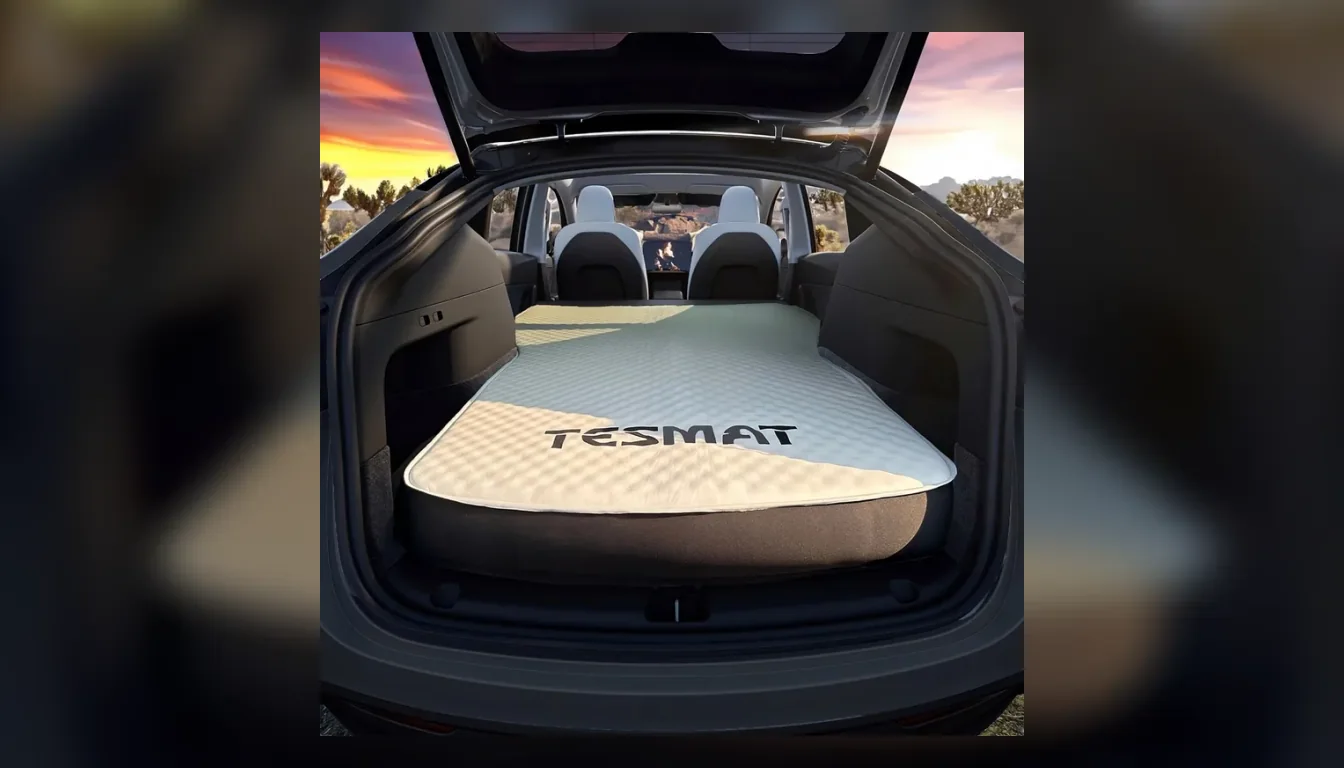
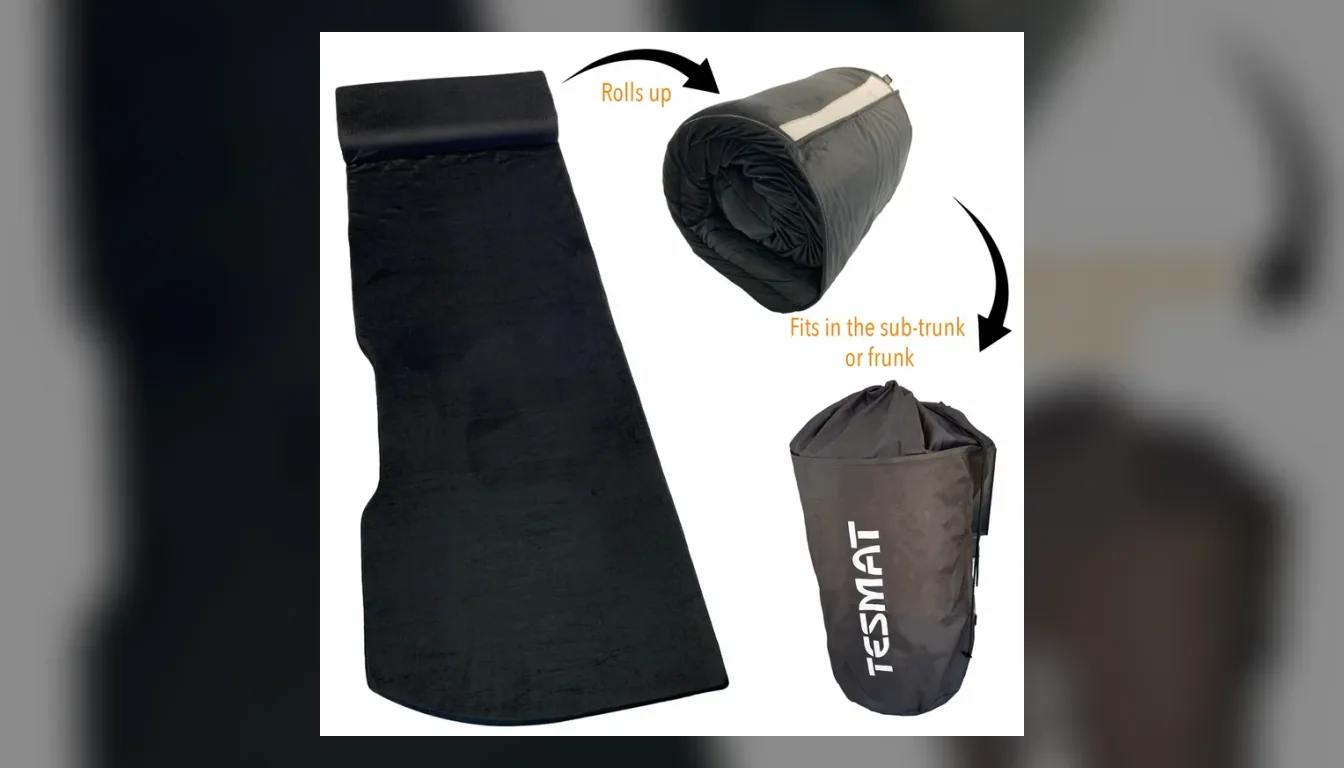
Plan the whole Tesla sleep setup
Compare the products we currently track
Check exact fit, observed price, pump type, warranty and the evidence limits before you buy.