Why there is no defensible noise ranking
“Quiet” can refer to fabric rustle, air-chamber crinkle, pump setup noise, movement against trim or noise transferred between two sleepers. Manufacturer listings do not provide comparable decibel measurements, and owner descriptions are subjective.
How to reduce likely noise
- A foam-only pad removes air-valve and chamber sounds but may still have a noisy cover.
- Correct inflation can reduce folding and rubbing in an air structure.
- A fitted sheet can change surface noise and movement.
- Remove loose cargo and protect contact points against plastic trim.
- Couples should prioritize motion behavior as well as pump noise.
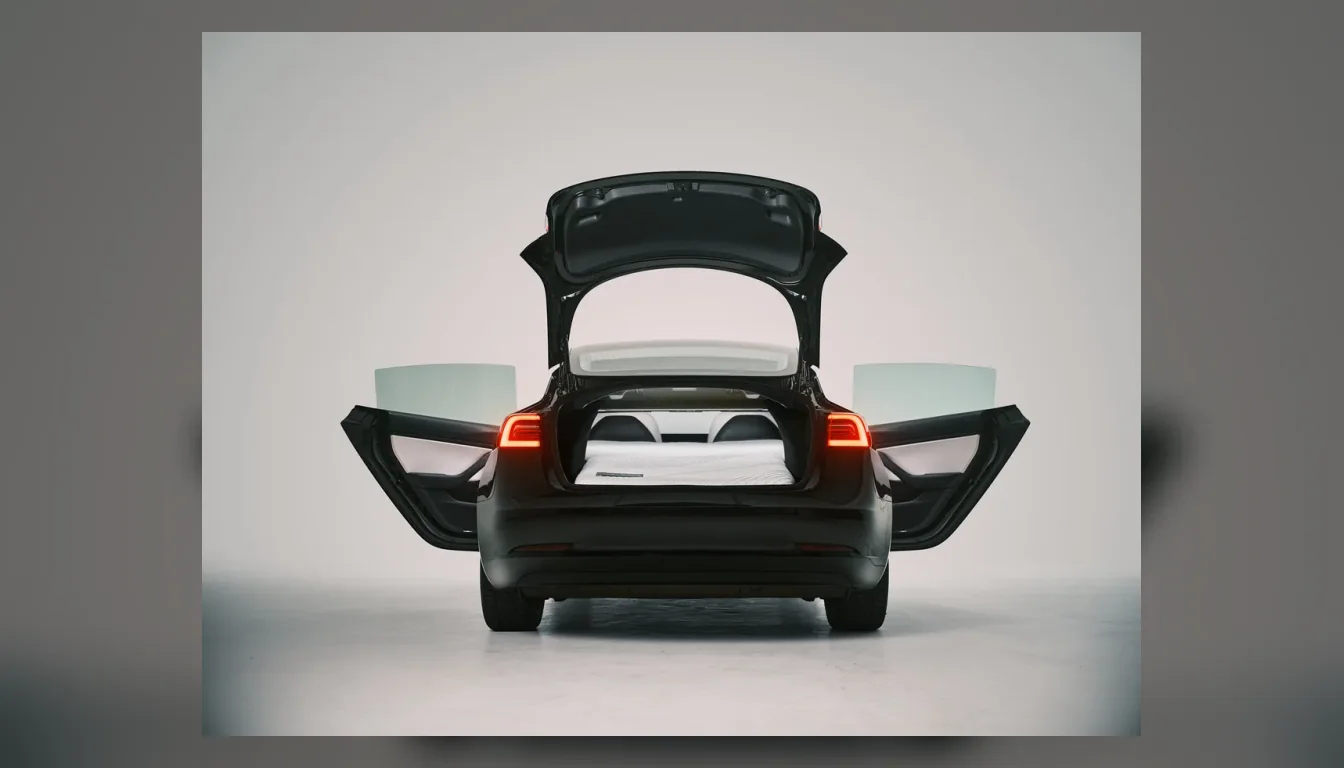
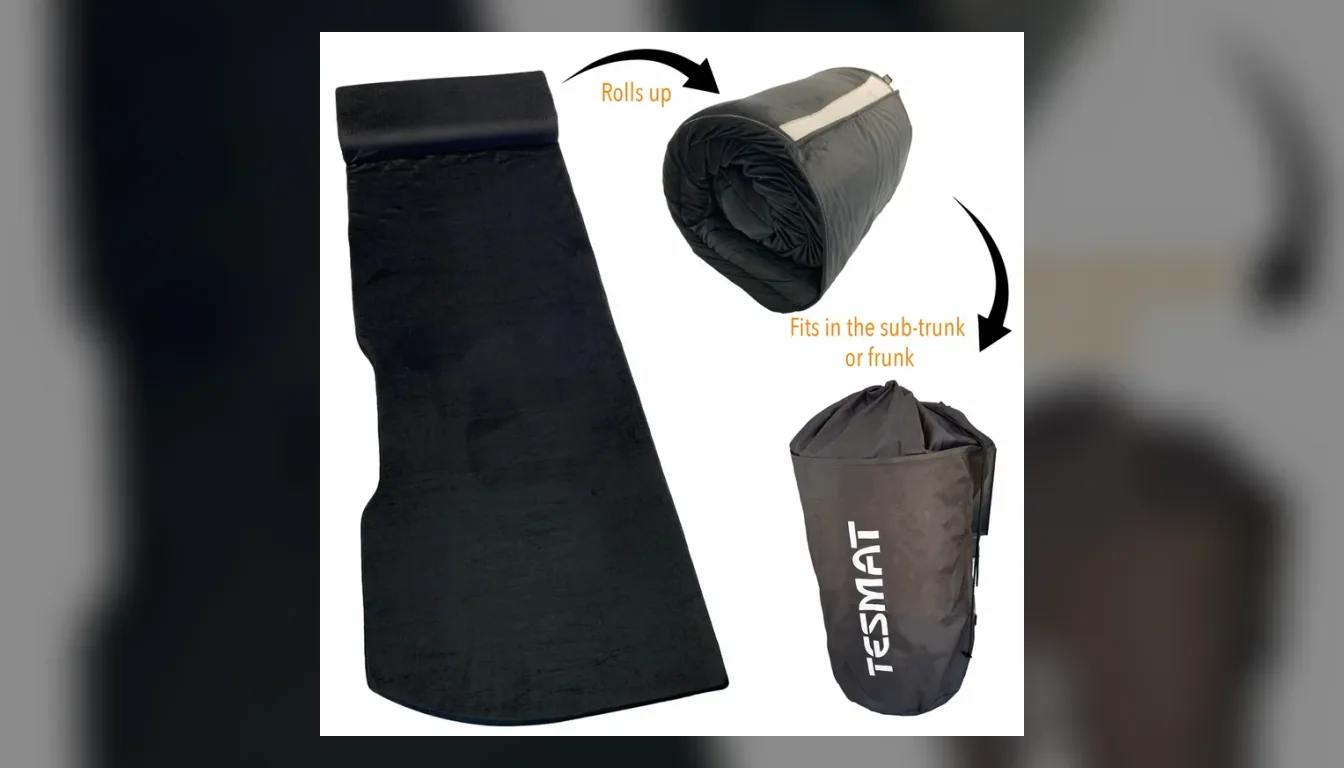
TESMAT Solo is a foam-only candidate for buyers avoiding an air chamber. Snuuzu, Havnby, NovaPads and Horizon use foam-and-air systems with different constructions. Our reviews explain those designs, but none is labeled a measured acoustic winner.
Run a simple noise check at home
You can learn more from a ten-minute stationary setup than from an unsupported “silent” label. Inflate the mattress to the intended firmness, add the fitted sheet and bedding, then roll from back to side while the cabin is quiet. Repeat with two sleepers if relevant and listen separately for fabric rustle, air-chamber movement, trim contact and loose cargo.
Common noise sources and fixes
- Trim contact: center the surface and protect rubbing points with soft fabric.
- Underinflation: remove folds that rub, while staying within seller guidance.
- Loose gear: move cables, pumps and storage bins away from the sleep surface.
- Cover fabric: test the actual fitted sheet rather than the bare mattress.
- Two-person motion: distinguish sound from movement transfer.
Until products are compared with the same cabin, bedding, pressure and measurement method, a precise quietness ranking would be false precision.
Plan the whole Tesla sleep setup


Compare the products we currently track
Check exact fit, observed price, pump type, warranty and the evidence limits before you buy.